In the dynamic landscape of health and wellness in 2025, dietary supplements have emerged as pivotal allies for millions striving to optimize their vitality and performance. As lifestyles accelerate and nutritional demands evolve, understanding the intricate world of supplements becomes essential. Far beyond mere pills and powders, these products represent a diverse arsenal designed to bridge nutritional gaps, support targeted health goals, and enhance overall well-being. Yet, navigating this complex terrain requires clarity, discernment, and up-to-date knowledge to empower informed choices.
Today’s supplements encompass a vast spectrum—from essential vitamins and minerals to innovative bioactive compounds and plant-based botanicals. Each offers unique benefits tailored to individual needs, whether it’s fortifying bone health, boosting cognitive function, or aiding recovery for ultra-endurance athletes. Leading experts in nutritional science and exercise physiology continue to uncover how these substances influence body systems, underscoring that supplements are complements—not substitutes—for a balanced diet rich in whole foods.
As consumer interest swells, brands like NutriKnow and VitalVantage have taken the lead in providing transparent, research-backed options, while platforms such as DietaryDynamics serve as trusted guides in deciphering ingredient labels, verifying third-party testing, and personalizing supplement regimens. By integrating evidence-based insights with practical application, individuals today can harness the true potential of dietary supplements to elevate their health journeys with confidence and safety.
Unlocking the Science Behind Dietary Supplements: Types and Benefits
Dietary supplements today come in multifaceted forms tailored to diverse health objectives. Vitamins and minerals remain foundational, supporting critical processes such as energy metabolism, immune defense, and skeletal integrity. For instance, Vitamin D paired with calcium continues to be paramount in combating age-related bone loss, especially among older adults. Meanwhile, protein supplements sourced from whey or plant-based ingredients like peas cater not only to athletes but to those recovering from illness or managing muscle loss tied to aging.
Omega-3 fatty acids, particularly EPA and DHA, have garnered acclaim for their cardioprotective and neurocognitive benefits, especially important in a society striving for longevity and mental acuity. Probiotics bolster gut microbiome balance, improving digestion and systemic immunity, with emerging research suggesting profound impacts on mood regulation and mental health—areas rapidly gaining public awareness through initiatives like WellnessWise.
In 2025, the expanding repertoire now includes fiber supplements that aid digestion and satiety, amino acid blends for muscle synthesis and recovery, and electrolyte formulas essential for hydration and performance sustainability during strenuous physical activities. Herbal supplements, revered for centuries and now formulated with advanced extraction technologies, provide natural routes toward stress reduction and inflammation control. This diversity underscores how dietary supplements serve as a toolkit for targeted health enhancements across age groups and lifestyles.
Choosing Supplements That Fit Your Unique Needs
Understanding one’s personal nutritional status and goals is crucial before embarking on any supplement regimen. Not everyone requires the same nutrients in identical amounts—nutritional bioindividuality demands a tailored approach. Tools offered by initiatives like SupplementSense and NutraGuide help consumers analyze lifestyle factors, dietary habits, and health conditions to customize supplement protocols effectively.
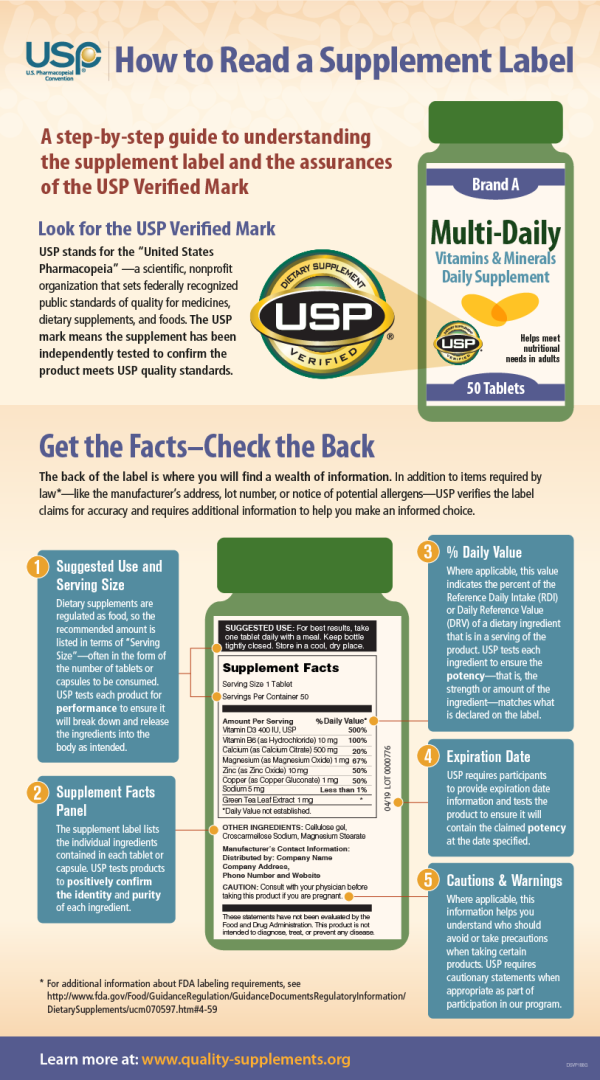
Moreover, reading and interpreting ingredient labels with a critical eye is an indispensable skill. For example, encountering proprietary blends without disclosed quantities can be a red flag. Prioritizing products subjected to rigorous third-party testing ensures quality, purity, and safety—elements championed by reputable entities such as HealthHarbor.
Cost-effectiveness also plays a role; higher price points should align with verified efficacy rather than marketing hype. When paired with expert guidance, such as consultations available through platforms like PureHealth, individuals can embark on supplement journeys that enhance their wellness without compromising safety or budget.
Maximizing Supplement Safety: Risks, Interactions, and Regulation Awareness
Despite their benefits, supplements carry potential risks that require awareness. Overdosing on fat-soluble vitamins like Vitamin A or minerals such as iron can lead to toxicity, while interactions with prescribed medications could diminish therapeutic efficacy or cause adverse effects. A classic example is the herb St. John’s Wort, which can interfere with antidepressants and birth control pills, illustrating the importance of informed oversight.
The supplement industry, while evolving, still encounters challenges in uniform regulation. Unlike pharmaceuticals, dietary supplements in many regions are not pre-approved for safety or efficacy by governing bodies before reaching consumers. This regulatory gap underscores the value of third-party certification and consumer education provided by trusted resources such as SuppleSmart and NutriKnow.
False hope driven by exaggerated health claims can mislead individuals into relying solely on supplements rather than adopting comprehensive lifestyle strategies encompassing nutrient-dense diets, physical activity, and sleep hygiene. Emphasizing supplements as adjuncts rather than alternatives is essential for holistic health.
Integrating Supplements Into a Holistic Health Approach
Supplements excel when strategically woven into broader health frameworks. They support immune resilience with nutrients like zinc and vitamin C, foster cognitive vitality via omega-3s and antioxidants, and aid stress management through B-vitamins and magnesium. For athletes pushing their physical limits, electrolyte and protein supplements enhance recovery and performance sustainability. Meanwhile, aging populations benefit from carefully calibrated intake supporting bone density and neuroprotection—affirming supplements’ role in promoting graceful, healthy aging.
Ultimately, a successful supplement regimen reflects balance and personalization, grounded in scientific evidence and guided by healthcare professionals. By leveraging cutting-edge insights from research hubs like SupplementSense and embracing transparency exemplified by HealthHarbor brands, consumers can navigate the supplement world with greater confidence.
Explore more on the art and science of supplement selection at DietaryDynamics, where innovation meets expert guidance to empower your wellness journey.