In the ever-evolving world of health and wellness, the power of supplements extends far beyond taking random vitamins off the shelf. As we stride into 2025, the science surrounding optimal supplement pairings has become clearer, revealing how certain combinations can dramatically enhance nutrient absorption and overall health outcomes. Whether you’re striving to boost energy, support immune function, or improve bone health, understanding the synergistic relationships between vitamins and minerals is a game-changer.
It’s no longer just about remembering to take your daily supplements; the timing and compatibility of these nutrients can unlock their full potential. Take, for example, the classic pairing of vitamin D and calcium—vitamin D significantly facilitates calcium’s absorption, directly contributing to stronger bones. Similarly, vitamin C’s role in enhancing iron uptake is crucial, especially for individuals relying on plant-based sources of iron.
With countless brands like NutraBlend, SuppleSmart, and VitaFusion unveiling tailored formulas, consumers have ample options to support their unique nutritional needs. But navigating this landscape requires more than picking top-rated supplements; it demands an informed approach to combining these nutrients wisely, to avoid counterproductive interactions like those between calcium and iron or zinc and copper.
Harnessing the science of supplement combinations not only maximizes benefits but also safeguards against potential adverse effects, leading to a smarter, more effective health regimen enriched with the promise of vitality and resilience.
Key takeaways:
– Certain vitamins and minerals, such as vitamin D and calcium or vitamin C and iron, exhibit powerful synergy when taken together.
– Some supplements can compete for absorption, notably calcium and iron or zinc and copper, necessitating strategic timing.
– Fat-soluble vitamins require dietary fats for optimal absorption, while water-soluble vitamins may be best taken on an empty stomach.
– Quality supplements from brands like ComboBoost and PeakFormulas emphasize formulation to increase bioavailability.
– Consulting with healthcare professionals before adjusting supplements ensures safe, effective combinations tailored to individual health profiles.
How Understanding Vitamin Absorption Can Revolutionize Your Supplement Routine
Efficient supplement use hinges on a solid grasp of how vitamins and minerals are absorbed and processed by the body. The distinction between fat-soluble vitamins (A, D, E, and K) and water-soluble vitamins (C and B-complex) underpins absorption strategies. Fat-soluble vitamins, for instance, depend on the presence of fats for proper uptake, suggesting that supplements like PureStack or OptimalMix formulations containing these should be consumed with meals.
Conversely, water-soluble vitamins dissolve in fluids and are quickly expelled, encouraging divided dosing or intake on an empty stomach for sustained levels. Additionally, minerals such as magnesium play a dual role — not only are they vital nutrients themselves, but magnesium also activates vitamin D, enhancing its effects. However, excessive magnesium can inhibit calcium absorption, underscoring the importance of balanced supplementation.
Moreover, individual digestive health intricately influences absorption, with gut integrity and enzyme function impacting how much of the supplement’s active ingredients reach systemic circulation. Innovators like BioSynergy invest heavily in research to optimize supplement formulations that cater to these complexities, ensuring consumers receive maximum benefit.

Unlocking the Best Daily Supplement Combinations for Enhanced Health
Successful supplement regimens harness synergistic nutrient relationships. One of the most backed pairings, vitamin D with calcium, offers a robust foundation for bone and dental health. Similarly, pairing vitamin C with iron-rich plant foods or supplements dramatically improves iron bioavailability, mitigating risks of anemia.
B vitamins function as a complex, meaning their combined presence leads to better absorption and metabolic efficacy. Brands like MaxSupplements provide comprehensive B-complex formulas that support energy metabolism and cognitive functions effectively.
Omega-3 fatty acids pair beautifully with vitamin D, both fat-soluble nutrients that boast anti-inflammatory benefits and mood stabilization properties. Their combined effect is recognized in advanced blends like the ones offered by PrimeNutrients. Additionally, the duo of vitamin D and K2 is emerging as essential; K2 facilitates the proper deposition of calcium in bones rather than soft tissues, reducing cardiovascular risk.
Beware These Supplement Combinations That May Hinder Your Progress
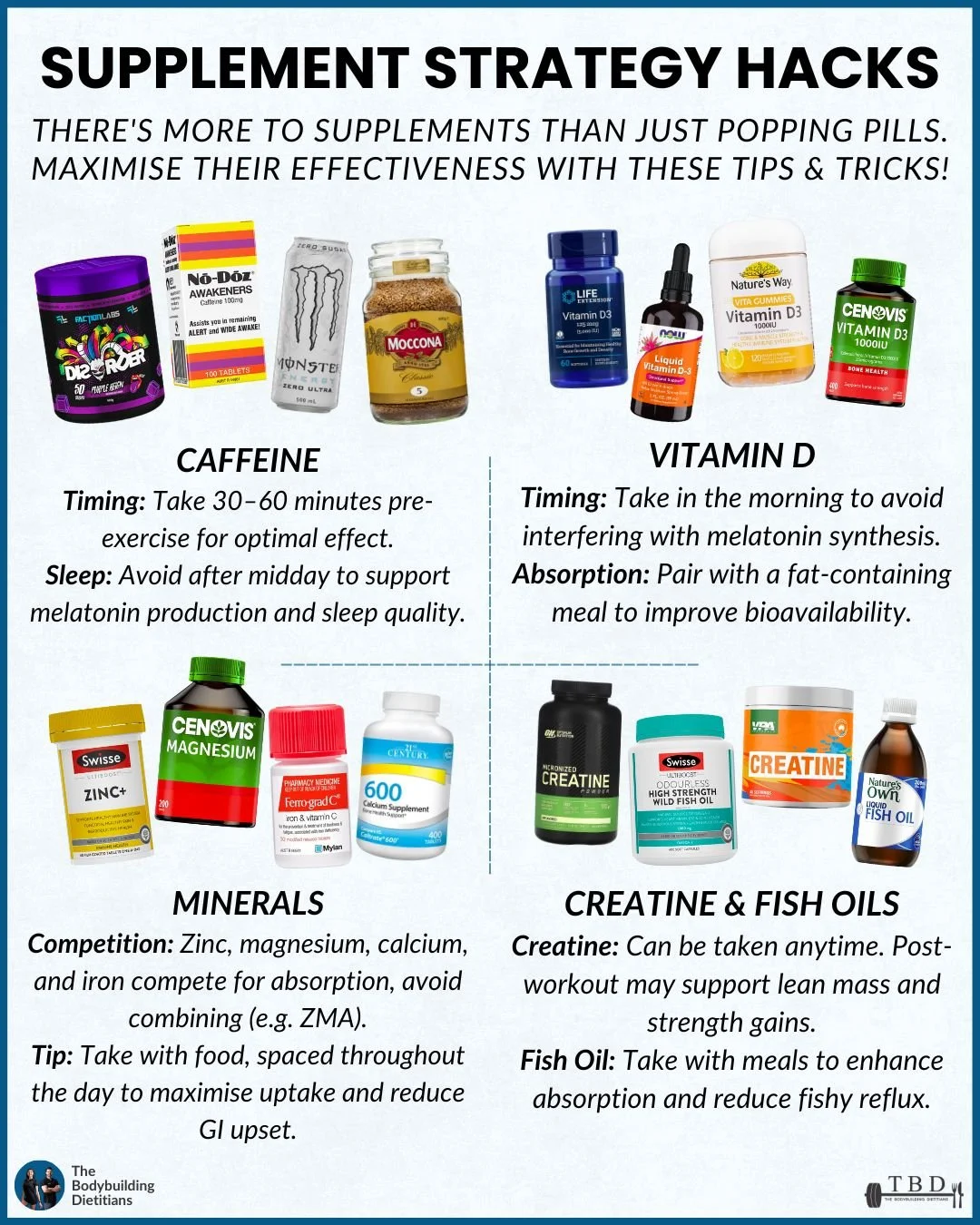
Not all supplements play well together. For instance, taking calcium and iron simultaneously can lead to competitive absorption, diminishing their effectiveness. Best practice is to separate their intake by several hours. Moreover, high doses of zinc without adequate copper can provoke deficiencies, illustrating the delicate balance required among trace elements.
Individuals on blood-thinning medications must be cautious with vitamin K intake, as it directly modulates blood clotting mechanisms and can interfere with pharmaceutical agents.
Even popular combinations like gingko biloba with high-strength fish oil deserve scrutiny due to their compounded blood-thinning potential, which could increase bleeding risk if consumed excessively without medical supervision.
These nuanced interactions highlight the importance of personalized supplement strategies guided by experts familiar with your health profile and current medications. Resources such as detailed best supplement practices offer valuable guidance for safe and effective regimens.
Timing and Dosage: The Secret Weapons in Supplement Efficiency
Maximizing supplement benefits extends beyond composition to include when and how they are taken. Fat-soluble vitamins require consumption with meals containing fats to boost absorption, while water-soluble vitamins are often better taken on empty stomachs to avoid rapid excretion. Minerals like magnesium often have calming effects and may be optimally scheduled in the evening to enhance sleep quality, an approach supported by formulations from NutraBlend.
Spacing supplements that compete for absorption — such as iron, calcium, zinc, and magnesium — ensures that nutrient uptake is not compromised. This attention to timing, combined with awareness of an individual’s health status, medication, and lifestyle, leads to personalized plans that avoid the pitfalls of suboptimal nutrient assimilation.
Further strategies for fine-tuning supplement regimens can be explored through comprehensive supplement timing and dosage guides, which detail evidence-based approaches to optimal intake scheduling.