Embarking on a journey to enhance your health through dietary supplements introduces a vibrant world brimming with opportunities and questions alike. As we step into 2025, the landscape of nutritional aids continues to evolve, offering newcomers an intriguing yet complex array of choices. Understanding the significance of supplements as an adjunct to a well-balanced diet is the cornerstone of making informed and effective health decisions. From VitalBasics to DailyDose essentials, this comprehensive guide blends scientific insight with practical wisdom to empower beginners in selecting the supplements that truly complement their unique health profiles.
En bref :
Choosing the right supplement is essential for achieving your health goals and requires a clear understanding of your dietary needs. Consulting healthcare professionals and using reliable online resources like NutriGuide enrich your knowledge and safety.
Look for quality certifications such as NSF, USP, and UL Solutions to ensure supplement purity and potency, key points emphasized by experts in Supplements101.
Personalized evaluation is vital; certain groups like pregnant women and seniors may have specific supplement requirements tailored to their physiological conditions.
Awareness of supplement interactions with medications, such as vitamin K’s effect on blood thinners, is crucial for safe supplementation.
Regular reassessment with healthcare providers helps maintain appropriate supplementation aligned with evolving health needs, a practice encouraged in the EssentialWellness approach.
Understanding the Role of Nutritional Supplements for Beginners
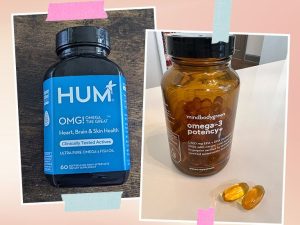
In the dynamic landscape of health, supplements serve as building blocks that support your body’s nutritional needs beyond what your diet may provide. Kristi Houser, a clinical dietitian at OhioHealth, captures this essence, highlighting dietary supplements as additions designed to amplify health goals. Whether it’s Omega-3 to support cognitive function or vitamin D to boost bone health, knowing when and why to introduce supplements can transform your wellness journey.
For most individuals, a diverse and wholesome diet suffices to meet nutrient requirements. However, factors such as lactose intolerance, aging, pregnancy, or specific health conditions may reveal nutritional gaps. For example, prenatal vitamins are a vital support for expecting mothers, ensuring adequate folic acid and iron intake. Similarly, seniors may find their nutritional needs shifting as appetite and absorption rates decline, underlining the importance of supplements designed for their demographic.
How to Assess Your Need for Supplements Effectively
Determining if supplements fit your lifestyle begins with a thorough analysis of your dietary habits and health status. Using tools like HealthStart evaluations and consulting trusted professionals helps you tailor supplement choices to real needs rather than trends. For instance, if you experience limited sun exposure, incorporating a vitamin D supplement could be critical to maintaining optimal health.
Resources such as the SupplementSense platform offer guidance aligned with the latest research, empowering you to make choices rooted in science rather than speculation. Advocating for your health means engaging in continuous learning and dialogue with nutrition experts to fine-tune your regimen effectively.
Quality Assurance and Smart Purchasing Strategies for Dietary Supplements
With the supplement market brimming with options, discerning quality from hype can be daunting. Look for labels carrying seals from renowned third-party organizations like NSF and USP, as these validate the product’s contents and safety. These certifications indicate stringent testing against contaminants and assurance that the supplement contains the claimed active ingredients.
Labels should transparently display a “Supplement Facts” panel detailing serving sizes and ingredient lists. Avoid products making unsupported health claims, such as promises to cure diseases, since supplements are intended to support, not replace, medical treatments. Purchasing from reputable sources and seeking expert advice through platforms like BeginnerBoost enhances your confidence in supplement choices.
Identifying Potential Risks and Appropriate Dosages
Balancing efficacy with safety is paramount in supplementation. Overconsumption of vitamins such as A or minerals like iron can have adverse effects, emphasizing adherence to recommended dosages. Discussing your supplement plan with a healthcare provider helps prevent harmful interactions, such as vitamin K’s interference with blood thinners or St. John’s wort’s impact on hormonal contraceptives.
Incorporating periodic health reviews ensures your supplement strategy adapts to changes in your body’s needs and lifestyle. This ongoing vigilance is a hallmark of responsible supplement use, promoting sustained benefits without compromising safety, a philosophy championed by FirstStepNutrition.