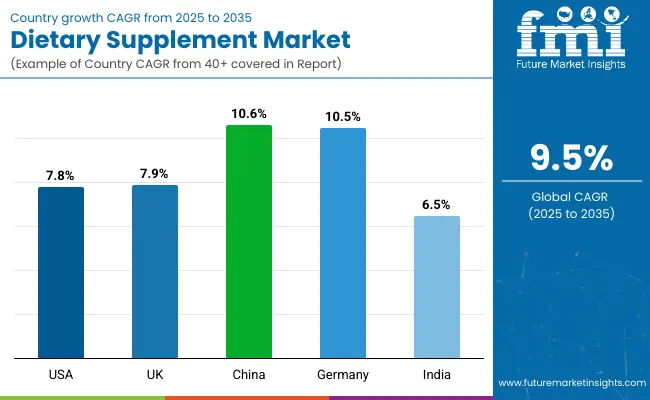
In an era where dietary supplements flood social media and store shelves, distinguishing fact from fiction is crucial. The global supplement market, booming at $177 billion and projected to soar even higher by 2030, reflects society’s growing quest for health and longevity. Yet, with 74% of U.S. adults integrating supplements into their routines and many viewing them as essential, uncertainty looms about their safety, effectiveness, and the oversight that governs them. As more people, especially women navigating hormonal changes, turn to these products for energy, sleep, and mood enhancement, experts urge caution and informed choices. They emphasize that supplements can support health but are not substitutes for medical treatments, highlighting the importance of evidence-based guidance amidst a landscape prone to misleading claims and regulatory gaps.
In brief:
• The dietary supplement industry is expanding rapidly, with consumers increasingly turning to products for health support.
• Supplements are broadly defined and not subject to the same rigorous FDA approval as pharmaceuticals, leading to quality and safety concerns.
• Recent studies reveal inconsistencies in labeling and possible contaminants in popular supplements, underscoring the “buyer beware” environment.
• Transparency, third-party certifications, and scientific validation are growing priorities among reputable brands.
• Specialized markets such as menopause support, longevity boosters, and gut health supplements are particularly vulnerable to hype and misinformation.
Understanding Dietary Supplements: Definitions and Practical Implications
Dietary supplements cover a vast range of products intended to augment the diet, including vitamins, minerals, protein powders, botanicals, probiotics, adaptogens, and compounds aimed at longevity. Their purposes vary—from filling nutrient gaps like vitamin D or magnesium deficits to targeting specific conditions. As Vanessa Coppola, a board-certified menopause practitioner, clarifies, supplements hold a valuable place when used thoughtfully with professional guidance but should never replace primary medical care.
Explore how dietary supplements support your health to better understand their potential and limits. This is key in making smart choices aligned with your body’s unique needs, ensuring supplements serve a supportive role without creating false expectations of miracle cures.
How Regulatory Oversight Shapes the Supplement Landscape
Unlike pharmaceuticals, dietary supplements operate under the 1994 Dietary Supplement Health and Education Act (DSHEA), which grants companies significant latitude to self-regulate. They are not subject to FDA pre-market approval, shifting responsibility for quality and safety to manufacturers. Nutrition expert Toby Amidor warns this results in uneven quality, with multiple analyses uncovering discrepancies between label claims and actual contents. For example, a 2023–24 review found 82% of weight-loss supplements mislabeled with none verified by independent certification.
Andrew Shao from Niagen Bioscience advocates for policy reform, highlighting the challenges posed by online sales and AI-boosted deceptive marketing. Understanding these regulatory nuances helps consumers appreciate why scrutinizing supplement quality is more important than ever.
Learn about quality standards in dietary supplements to better navigate this complex market.
Supplement Safety Concerns: What Recent Evidence Reveals
Recent scientific studies and reports reveal that even popular supplements deemed harmless can harbor risks. A 2025 study linked long-term melatonin use to higher incidences of heart failure requiring hospitalization, raising alarms about the lack of standardized dosing and pre-market testing for such over-the-counter products. Additionally, independent tests detected heavy metals like lead in certain greens powders, tracing the problem back to soil contamination and lax testing protocols.
Moreover, herbal detox and weight-loss supplements continue to generate FDA adverse reports due to contamination or interactions with medications. These findings underscore that “natural” does not equate to risk-free.
Discover vital safety tips to consider before choosing supplements and make informed decisions protecting your health.
Building Trust in an Overcrowded Supplement Market
In an industry filled with noise and competing claims, trust has emerged as a central factor. Reputable brands like Nature’s Bounty, Optimum Nutrition, and Garden of Life increasingly emphasize transparency and scientific validation. For instance, Niagen, a patented nicotinamide riboside ingredient, is supported by numerous peer-reviewed trials and third-party certificates openly shared with consumers. Ancient + Brave exemplifies commitment to purpose-driven business models certified by B Corp, embedding ethics into sourcing and governance.
This pursuit of authenticity reflects the value consumers place on verified information and ethical standards in their wellness choices.
Check out top nutritional supplements trusted for their quality and efficacy as part of your path to safe supplementation.
Trending Supplement Categories: Opportunities and Challenges
Three fast-growing supplement sectors—menopause and hormone health, longevity boosters, and gut health—highlight the dual-edged nature of innovation and hype. The menopause market alone is expected to reach $24 billion by 2030. However, many products promise hormone “fixes” without sufficient evidence. Experts like Coppola urge skepticism and advocate for clinical evaluation alongside supplementation.
Similarly, gut-related supplements dominate wellness narratives, though scientific understanding continues to evolve. Jenna Macciochi from Ancient + Brave stresses the importance of aligning supplements with the biology of the gut–brain–immune axis while avoiding oversimplified detox claims.
The market also suffers from quality variability, as shown by testing revealing that many NMN and NAD+ products fail to meet label claims—sometimes containing negligible active ingredients—allowing opportunists to exploit consumer enthusiasm.
Gain insight into choosing supplements wisely within trending categories and protect yourself from misleading claims.
The Movement Toward Greater Accountability and Future Directions
A transformative shift is underway as more supplement brands prioritize transparency, traceability, and verification. Certifications like USP, NSF Certified for Sport, and B Corp set meaningful standards. Industry leaders recognize that supplements must be rooted in precise science and honest marketing rather than sensational promises.
The next decade will likely be shaped by advancements in personalized nutrition via AI alongside enhanced regulatory frameworks ensuring product safety and efficacy. Experts highlight the importance of formulation science—how ingredients are delivered and absorbed—as central to supplement effectiveness.
Consumers are encouraged to seek third-party tested products from trustworthy brands such as NOW Foods, Pure Encapsulations, Thorne Research, Jarrow Formulas, Solgar, MegaFood, and Nordic Naturals, which emphasize quality and responsible innovation.
Explore how responsible companies are reshaping supplement quality in 2025 and take charge of your health with confidence.