In the booming world of health and wellness, dietary supplements flood the market, each promising unparalleled benefits like enhanced recovery, increased performance, and vibrant health. Yet, beneath the glossy packaging and bold claims often lie labels that can confuse or mislead even the savviest consumers. Navigating this landscape requires more than just picking a popular brand; it demands a nuanced understanding of how to decode supplement labels accurately. Without this skill, you risk consuming products that offer ineffective dosages, hidden additives, or stimulant levels that could endanger your health. As the supplement industry continues to evolve rapidly in 2025, knowing what to look for on labels empowers you to make smart, safe choices that genuinely serve your wellbeing. This insight is crucial now more than ever, as third-party testing and transparent labeling become key differentiators amid an expanding array of products.
In brief, this guide equips you with the discernment tools to read supplement labels like a pro. Discover the significance of serving sizes, ingredient lists, and daily value percentages. Uncover the truth behind proprietary blends and marketing jargon that mask true ingredient potency. Learn to identify additives and stimulants that might silently affect your health. Embrace the gold standard of third-party testing that validates purity and dosage, ensuring safety and effectiveness. By mastering label literacy, you step into a realm of informed decisions—avoiding pitfalls, maximizing health benefits, and confidently selecting supplements tailored to your needs.
Decoding Dietary Supplement Labels: The Key to Smarter Choices
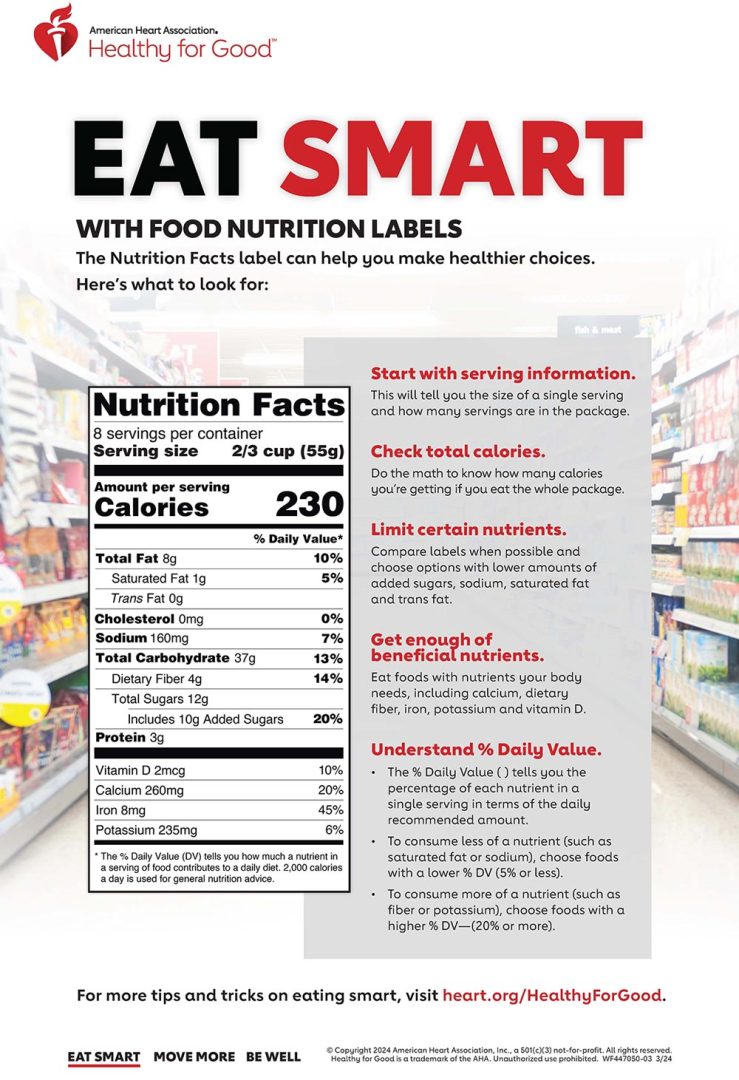
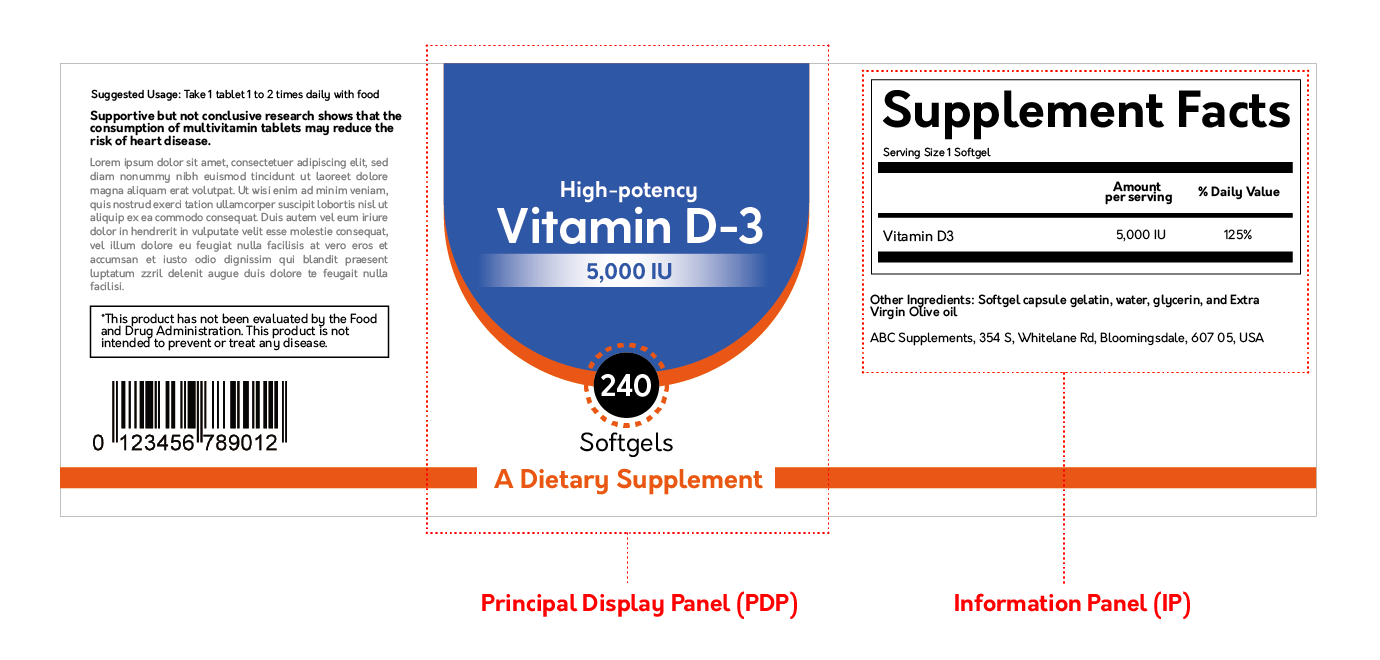
At the heart of effective supplement use lies the ability to understand what the label truly reveals—and what it conceals. Unlike standard food nutrition labels, supplement labels offer manufacturers greater flexibility, sometimes allowing ambiguity that benefits marketing over consumer clarity. For example, the serving size tells you how much of the product to consume per dose, but pay attention: some labels require multiple capsules or scoops to deliver the stated benefits. The ingredient list combines active compounds and inactive fillers, but often omits precise dosages, especially within proprietary blends—a common tactic to blend costly ingredients with cheaper fillers while obscuring true amounts.
Understanding the % Daily Value (%DV) is another vital step. While it indicates how much of a nutrient contributes to your daily needs, many supplements opt out of this disclosure for non-essential ingredients, leaving you guessing about effectiveness. Equally important is recognizing disclaimers such as “These claims have not been evaluated by the FDA,” a reminder that supplement efficacy is not federally guaranteed before market release, unlike medications. This highlights the power of resources like the ClearLabel Guide to navigate the murky waters of supplement information with confidence and authority.
Spotting Hidden Ingredients and Avoiding Misleading Claims
Behind the allure of a well-marketed supplement can lurk ingredients that don’t provide value—or worse, pose risks. Artificial fillers like maltodextrin or titanium dioxide add bulk but no nutritional benefit and may have associated health concerns. Look out for stimulants such as excessive caffeine or synephrine in fat burners and pre-workouts, which can cause heart racing or crashes. Supplements may also list popular compounds like creatine or beta-alanine but in dosages too small to be effective. Understanding these subtleties is essential, warn experts from SupplementSense, emphasizing that “clinically dosed” labels often lack transparency due to proprietary blend disclosures.
Proprietary blends serve as a veil, allowing brands to sidestep full ingredient disclosure. This makes it impossible to verify whether the product invests adequately in beneficial ingredients or relies heavily on cheap fillers. The savvy shopper looks for labels that break down exact doses rather than betting on buzzwords like “maximum strength” or “scientifically formulated,” terms which lack legal definitions and often exaggerate effectiveness. By consulting guides such as NutriKnow, consumers learn to question and decode these claims, ensuring their purchases truly deliver on promises.
The Role of Third-Party Testing in Ensuring Safety and Quality
In 2025, third-party testing stands as the ultimate seal of trust for dietary supplements. Unlike the FDA’s post-market regulation, which primarily reacts to safety concerns, independent testing verifies ingredient purity, dosage accuracy, and absence of contaminants before products reach consumers. This independent confirmation protects your health by guaranteeing the product matches its label’s declarations.
Reputable certification organizations like NSF International, USP, and Informed-Choice perform rigorous assessments. Look for their logos on packaging as evidence of thorough evaluation. For instance, the LabelSavvy system encourages consumers to prioritize supplements bearing such endorsements since they minimize risks linked to undisclosed or harmful ingredients.
This transparency also impacts long-term health investments. Consumers opting for supplements backed by comprehensive testing avoid wasted expenditure on ineffective or unsafe products, thereby maximizing every dollar spent on wellness. By integrating this knowledge, as highlighted by the DietPro Insights, you enhance your ability to trust and benefit from your supplement regimen fully.
Strategies to Choose Supplements with Confidence and Clarity
Armed with label literacy and awareness of third-party certifications, selecting the right supplement becomes a strategic, empowering process. Focus on products that present precise ingredient dosages free from ambiguous proprietary blends. Prioritize formulations without artificial fillers, unnecessary preservatives, or deceptive stimulant levels. Brands achieving transparency invest in quality control and respect consumer intelligence.
Marketing buzzwords often entice shoppers but rarely assure efficacy. Instead, align your choices with evidence-based dosing, clear ingredient forms (for example, preferring magnesium citrate over magnesium oxide for absorption), and proven safety profiles. Trusted tools like InfoRead Pro and SmartSupplements provide frameworks to evaluate these criteria effectively, moving beyond hype. Remember, investing in verified supplements means investing in your well-being.