
In 2025, the landscape of dietary supplements is evolving rapidly, fueled by an unprecedented surge in health-conscious consumers seeking tailored nutritional solutions. The pandemic has undeniably reshaped consumer priorities, pushing people to explore supplements not just as wellness aids but as essential tools for immune support and vitality. This dynamic environment invites brands and experts to decode market trends and scientific evidence, setting the stage for smarter, safer supplementation backed by expert insights. Across the globe, from the US to Europe and emerging markets, consumers demand greater transparency, efficacy, and customization in their supplement choices.
Today’s supplement industry is marked by a blend of technological innovation, regulatory adaptations, and shifting consumer demographics. Customization, especially through AI-driven formulations, taps into the unique health profiles and preferences of Millennials, Gen Z, and aging populations. Women’s health supplements, focusing on hormonal balance and life-stage wellness, are experiencing remarkable growth, underscoring the need for products that speak directly to these audiences. Meanwhile, immune-boosting vitamins like D, C, and zinc continue to dominate discussions, as experts emphasize their role in fortifying defenses against evolving health challenges.
However, alongside this growth comes a critical call for vigilance. Regulatory frameworks worldwide strive to catch up as dietary supplements remain loosely regulated compared to pharmaceuticals, posing challenges in ensuring product safety and authenticity. Consumers are encouraged to seek out evidence-based recommendations and quality assurance to navigate the crowded market effectively. This comprehensive review draws from global regulation insights, cutting-edge research, and consumer behavior trends to present a sharp, expert-guided view of what’s shaping dietary supplements in 2025 and beyond.
In brief:
- Personalized supplements leverage AI and consumer data to meet specific health needs, marking a major trend in tailored wellness.
- Women’s health supplements targeting menopause, PMS, and hormonal balance represent the fastest-growing segment.
- Immune support supplements remain crucial, exemplified by sustained interest in vitamins D, C, and zinc.
- Regulatory complexity varies globally, highlighting the need for standardized quality control to ensure safety.
- Market growth continues robustly, propelled by innovation, social media influence, and increasing consumer health awareness.
How Customization Transforms Dietary Supplement Trends in 2025
The supplement arena in 2025 is witnessing an exciting shift toward personalized nutrition, propelled by advances in artificial intelligence and digital health analytics. Consumers no longer settle for one-size-fits-all formulas; instead, they seek supplements developed specifically for their genetic makeup, lifestyle habits, and wellness goals. This momentum is captured by brands that harness data to craft precisely targeted blends, fulfilling consumers’ unique nutritional requirements and addressing chronic concerns such as inflammation, stress, and energy balance.
This personalization trend, spotlighted by experts like SupplementSavvy and NutriWisdom, resonates not only with tech-savvy Millennials and Gen Z but also with an increasingly health-aware geriatric population. The appetite for bespoke supplements intensifies as customers aim to optimize longevity and preventive care. The complexity arising from vast product choices is eased by tailored packages, simplifying decisions and boosting consumer confidence. Businesses integrating AI-powered diagnostics and personalized delivery models position themselves at the forefront of this transformative wave.
Complementing technology-driven personalization, validation through ongoing research remains central. Consumers turn to reliable sources such as expert insights to filter misinformation commonly proliferated on social media. This fusion of intelligent formulation and credible information guides the next generation of supplement users toward more effective and trustworthy products.
Women’s Health Supplements: A Dynamic and Growing Market
Market demand for supplements tailored to women’s unique needs has surged sharply in recent years, with a prominent focus on hormonal balance, fertility, menopause, and menstrual wellness. Industry leaders like HealthTrendPro forecast robust growth in products designed to support female well-being, reflecting a broader cultural shift that recognizes women’s specific health challenges and seeks natural, herbal, and integrative solutions.
Innovative offerings, including plant-based formulas and targeted nutraceuticals, are designed to alleviate PMS symptoms, support prenatal and postnatal health, and manage menopausal transitions. This sector’s rapid expansion is backed by studies confirming the benefits of key ingredients and by the rising consumer preference for holistic, sustainable wellness approaches. Emerging brands emphasize transparency and science-backed claims, which foster trust and brand loyalty.
By acknowledging these trends and addressing the nuances of female physiology, companies can tap into a billion-dollar opportunity. Consumers, equipped with information from reputable platforms such as Dietary Supplements Guide, increasingly demand supplements that promise efficacy without compromising safety.
Essential Immune-Boosting Supplements and Their Proven Roles
The ongoing global health challenges reinforce the pivotal role immune-support supplements play in 2025. Vitamins D and C, along with zinc, stand out as the principal nutrients recommended by healthcare professionals and researchers to fortify immune defenses. These supplements benefit from extensive scientific validation underpinning their antiviral, anti-inflammatory, and antioxidant functions.
Recent studies reveal vitamin D’s critical role in modulating immune responses and mitigating cytokine storms, common in viral infections. Vitamin C acts as a potent antioxidant and supports multiple aspects of immune cell function, while zinc adds antiviral benefits by inhibiting viral replication and aiding wound healing.
Consumers increasingly turn to trusted expert sources to understand dosage, supplementation timing, and potential interactions, emphasizing the value of platforms like immune system nutrition portals. The awareness cultivated through such channels ensures more informed and effective supplement use.
Addressing Safety and Regulation Amid Growing Market Demand
While the burgeoning demand for dietary supplements heralds innovation and economic growth, it simultaneously challenges regulatory agencies and consumer safety. The regulatory landscape remains fragmented worldwide, with significant differences between jurisdictions such as the USA, EU, China, and emerging markets. Countries like the USA rely on post-market surveillance and good manufacturing practices but lack stringent pre-market approvals, whereas Europe enforces nutrient intake limits and uniform labeling requirements.
This divergence creates a complex environment where product quality and efficacy can vary dramatically. Experts from SmartSupplements urge both manufacturers and consumers to prioritize transparency, quality control, and adherence to international guidelines. Reliable information platforms such as supplements safety tips become crucial resources to educate users on selecting reputable products and understanding potential risks, especially for vulnerable populations such as pregnant women, older adults, and athletes.
Establishing robust global standards and expanding independent clinical research remain key priorities to facilitate safer market growth and reinforce consumer trust in dietary supplements.
Global Market Dynamics and Consumer Insights Shaping 2025 Supplement Trends
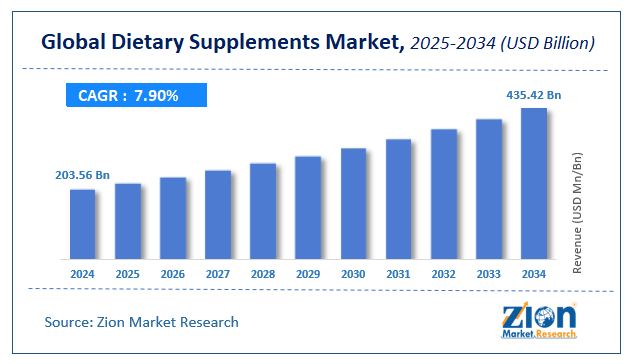
The dietary supplements market continues to flourish, buoyed by growing health awareness and lifestyle-driven demand. Valued at tens of billions of dollars worldwide, the market’s trajectory is propelled by strong e-commerce channels and digitally savvy consumers engaging with social media influencers who shape buying behaviors. According to industry forecasters, this sector will see continuous compound annual growth fueled by innovations in delivery formats, such as gummies, powders, and liquid formulations.
Demographics influence consumption patterns significantly. Pregnant and lactating women prioritize supplements for prenatal health; older adults seek supplements to maintain cognitive function and immunity; athletes focus on performance-enhancing nutrition; and younger consumers emphasize beauty, energy, and mood support. Brands tapping into these distinct segments with targeted messaging and products secure competitive advantage.
Platforms like InsightNutra and VitalInsights provide crucial data-driven market analysis, enabling stakeholders to stay updated on evolving consumer needs and emerging health trends. The blend of expertise and market intelligence informs a strategy focused on personalization, quality assurance, and scientific validation.