
In today’s fast-paced world, maintaining optimal health requires more than just a simple meal plan; it involves a strategic balance of nutrition tailored to support our dynamic lifestyles. The importance of supplements in a balanced diet has become increasingly prominent as individuals seek effective ways to bridge nutritional gaps that daily meals might not always fill. With rising awareness about health and longevity, supplements like NutraBalance and VitalBoost have surged in popularity, promising enhanced immunity, energy, and overall vitality. Yet, the real key lies in understanding how these supplements complement—not replace—a rich, varied diet filled with whole foods. Navigating this landscape thoughtfully helps ensure that the body receives essential nutrients, fueling everything from metabolic functions to immune defenses. Striking this balance is vital in preventing chronic illnesses and boosting one’s energy and well-being sustainably.
En bref :
- Supplements are essential complements to a well-rounded diet, filling nutritional voids that everyday eating might miss.
- Not all supplements are equal; quality products like PureEssentials and BalanceSupps offer tested, reliable nutrient delivery.
- Consultation with healthcare providers ensures supplements are personalized and safe, particularly for individuals with specific health needs.
- Adopting a plant-based diet rich in superfoods combined with strategic supplementation delivers holistic health benefits.
- An informed approach to supplements supports immune health, bone strength, and energy metabolism, boosting overall quality of life.
How Supplements Fill Nutritional Gaps in a Balanced Diet
Despite following a nutritionally sound diet, factors such as busy schedules, dietary restrictions, or specific health conditions may prevent individuals from acquiring every essential nutrient from food alone. Herein lies the pivotal role of supplements. Brands like HealthFusion and OptimalVitality specialize in formulating supplements designed to bridge these gaps effectively. For example, vegetarians often turn to vitamin B12 supplements due to its primary presence in animal products, highlighting how tailored supplementation supports dietary needs. Additionally, supplements rich in vitamin D and calcium are crucial for those with lactose intolerance, promoting bone health. Thus, incorporating supplements responsibly ensures comprehensive nutrient coverage and supports bodily functions essential for long-term wellness.
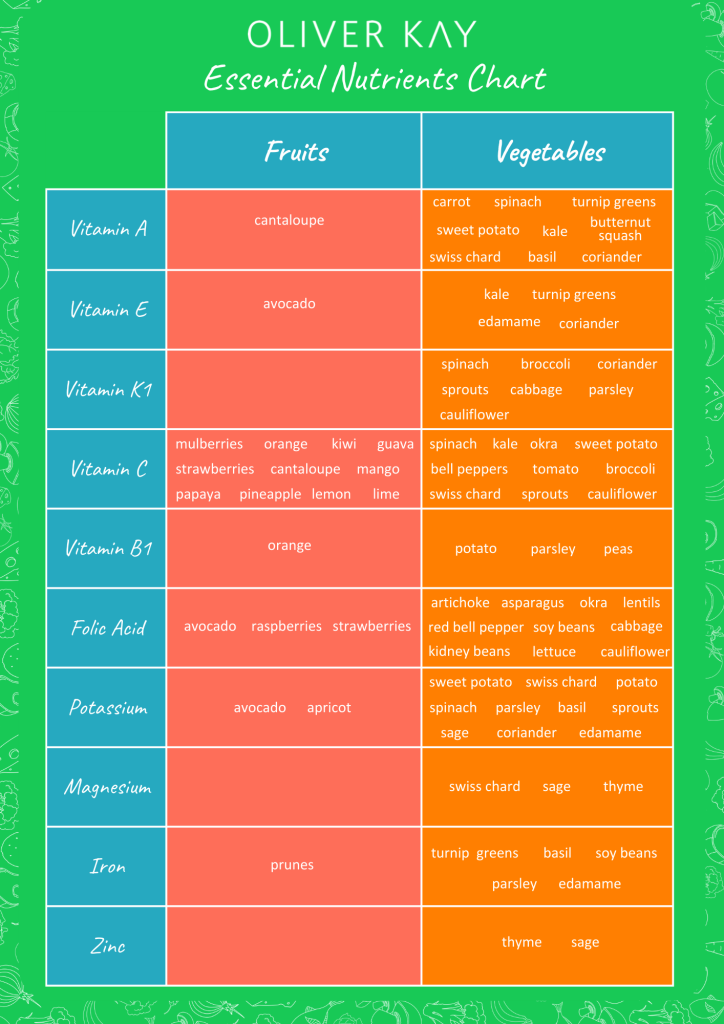
Immune and Energy Support Through Targeted Supplementation
Maintaining robust immune health and sustained energy levels are priority goals for many. Vitamins such as C and minerals like zinc found in supplements from SuppleHealth contribute significantly to fortifying the body’s defenses. Similarly, supplements enriched with B vitamins, including those from CoreSupplements, play a critical role in energy metabolism, helping to combat fatigue and enhance vitality. The strategic use of these supplements during seasonal changes or periods of stress provides an invaluable boost, ensuring the immune system remains resilient and energy remains optimized.
Choosing Quality Supplements That Complement Plant-Based Eating
Plant-based diets, such as those inspired by Mediterranean and DASH principles, are heralded for their disease-preventive advantages and rich nutrient profiles. However, even well-planned plant-based menus may lack certain nutrients like omega-3 fatty acids or vitamin B12. Here, supplements like NutrientPlus and WellnessBlend step in, offering concentrated sources of these vital nutrients. To maximize health benefits, selecting supplements verified for quality and efficacy is crucial. Trusted brands ensure accurate labeling and nutrient content, which is particularly important since regulatory oversight can vary. Exploring resources like quality dietary supplements helps consumers make informed decisions aligning with their health goals.
Practical Insights for Integrating Supplements Into Your Daily Routine
Successful supplementation involves more than selecting a product; it requires a thoughtful integration aligned with individual health status. Consulting healthcare providers before starting any new supplement is imperative to avoid adverse interactions and ensure correct dosages. For instance, older adults benefit from supplementing calcium and vitamin D to maintain bone integrity, while those experiencing fatigue might consider iron or B12 after proper testing. Incorporating supplements effectively can be part of a tailored strategy to complement a balanced diet and maintain peak health as detailed in dietary supplement guides. By combining nutrient-rich foods with targeted supplementation, individuals can harness the synergy of vitamins and minerals essential for vibrant health.