
In the pursuit of peak health, navigating the vast world of dietary supplements can feel daunting. With a booming industry offering everything from memory enhancers to botanical blends, understanding which supplements truly support our well-being is crucial. As of 2025, about 75% of U.S. adults routinely take nutritional supplements, an increase fueled by greater health awareness and easy access via online platforms. However, supplements are most effective when they augment a balanced diet rich in whole foods, not when viewed as miracle cures. By focusing on informed choices and prioritizing quality, you can unlock the true potential of supplements while maintaining a foundation of wholesome nutrition.
In brief:
- 75% of adults in the U.S. consume dietary supplements, many favoring specialty options like omega-3s.
- Supplements should complement, not replace, nutrient-rich meals emphasizing fruits, vegetables, whole grains, and lean proteins.
- Vitamin D, omega-3 fatty acids, and vitamin B12 stand out for their documented health benefits.
- Be cautious with supplements lacking solid scientific backing such as some probiotics, green powders, and mega-dose vitamins.
- Prioritize products with third-party certifications and consult healthcare professionals before starting new supplements.
Essential Nutrients to Support a Healthy Lifestyle with Dietary Supplements
Achieving a healthy lifestyle means consistently fueling your body with vital nutrients. While a variety of whole foods is the cornerstone, certain supplements can fill gaps where diet falls short. For instance, Vitamin D—critical for bone strength, immune defense, and mood—is notoriously hard to synthesize from food alone, especially for those in less sunny climates. Omega-3 fatty acids, naturally abundant in fish and nuts, have shown promise supporting cardiovascular and brain health, often making them a recommended addition.
Vitamin B12 is indispensable for nervous system function and blood formation, particularly for vegetarians and vegans who might struggle to intake adequate amounts through diet. Iron supplements can prevent anemia and improve oxygen transportation, especially important for women during childbearing years and those diagnosed with deficiencies. Furthermore, magnesium assists in over three hundred metabolic processes, including nerve and blood pressure regulation, making its supplementation valuable for individuals with insufficient dietary intake. Pregnant women benefit immensely from prenatal vitamins enriched with folic acid and iron to support fetal development and maternal health.
These essentials, sourced from trusted brands like NutraLife Essentials, PureHealth Boost, and VitalWell Supplements, should always be integrated thoughtfully with a nutrient-rich diet.
Separating Beneficial Supplements from Overhyped Products
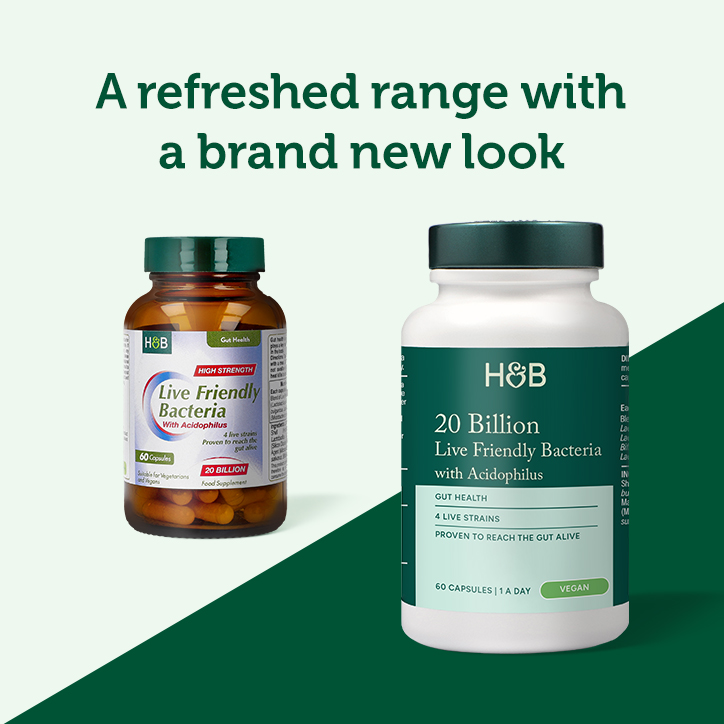
While the allure of quick health fixes can tempt many, not all supplements carry the same weight of evidence. Probiotics, for example, remain popular but their benefits vary widely depending on strains and individual health conditions. This contrasts markedly from their widespread marketing claims. Likewise, green powders, though convenient, often lack robust scientific validation and cannot replace the comprehensive nutrition you get from fresh fruits and veggies. Avoiding mega-dose supplements is equally important—overconsumption of vitamins and minerals can trigger adverse effects including kidney strain and digestive disturbances.
Experts at GreenLeaf Nutrition and WellnessPro Naturals emphasize scrutinizing supplements critically, encouraging consumers to seek supplements backed by peer-reviewed research rather than flashy marketing campaigns. Before any addition to your regimen, it is wise to explore resources such as dietary supplement guides to empower yourself with knowledge and avoid unnecessary expenditures or health risks.
Choosing Quality Supplements: Guidelines for Safe and Effective Use
In an industry frequently challenged by varied product quality, selecting reliable supplements demands vigilance. Look for third-party certifications which indicate testing for purity and potency, a key feature championed by leading suppliers like Essence of Wellness and ActiveVital Nutrition. Additionally, consider the bioavailability of minerals—forms like chelated magnesium may be better absorbed, though scientific opinions remain mixed. Avoid supplements filled with unnecessary fillers or artificial additives that offer no health benefits.
Always prioritize open dialogue with healthcare professionals before beginning new supplements, especially if you have chronic conditions or take other medications. Their expertise can tailor recommendations that harmonize with your personal health profile, preventing potentially harmful interactions. For practical guidance, platforms such as Holistic Health Hub offer expert insights to help navigate supplement choices wisely.
Integrating Supplements Into a Well-Balanced Diet for Sustained Wellness
Supplements serve a supportive role in enhancing dietary patterns centered on nutrient-dense foods like fruits, vegetables, whole grains, dairy, and lean proteins. Increasing intake of dietary fiber, calcium, potassium, and vitamin D through food remains fundamental to health as recommended by the latest dietary guidelines. For instance, easy swaps like adding canned salmon with bones to meals can boost calcium, while incorporating beans and legumes enhances fiber intake for sustained digestion and fullness. Reducing added sugars and saturated fats in favor of healthier alternatives like nuts and plant oils contributes to heart protection and overall vitality.
Brands such as TrueBalance Vitamins and Nature’s Best Remedies complement these habits, offering formulations tailored to maintain energy and immune resilience. This holistic strategy empowers individuals to embrace supplements not as quick fixes but as integral components of a vibrant, long-lasting healthy lifestyle.